
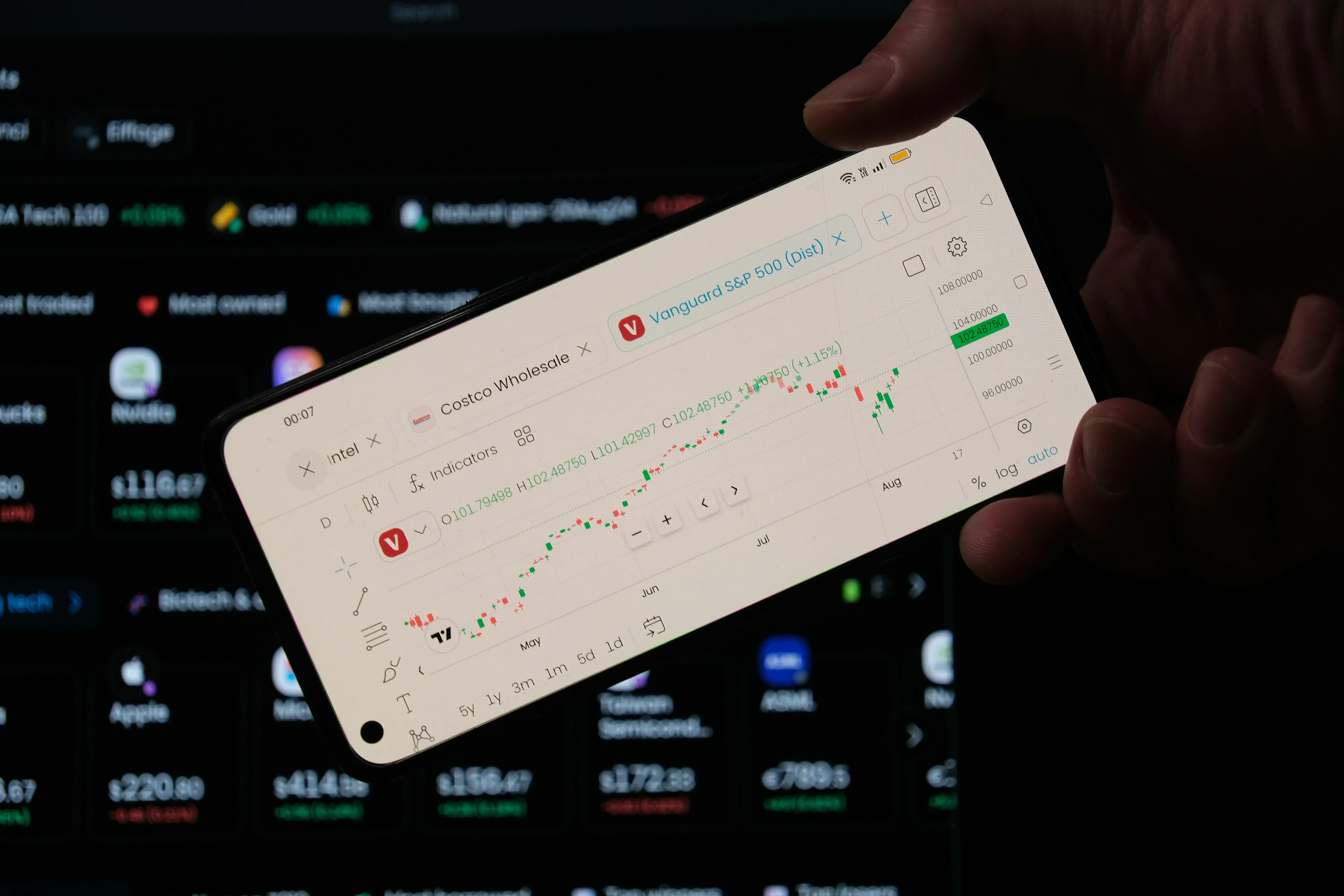
Beyond the Candles: How to Read Interactive Stock Charts
Most financial websites show you a static image of a stock chart. It’s a snapshot in time. But the market isn't static, and your tools shouldn't be either.
At Stockie, we use backend-loaded interactive SVGs. Why? Because you need to "feel" the data, not just look at it.
Why Interactive SVGs Beat Static Images
When you look at a 5-year chart, a 10% drop looks like a tiny blip. But if you were holding the stock during that month, it felt like the world was ending.
Interactive charts allow you to:
- Zoom in on specific volatility events (like earnings reports).
- Hover to see the exact price and volume on a specific day.
- Overlay different metrics without reloading the page.
Understanding Volume Spikes
See those bars at the bottom of the chart? That's volume.
Price tells you what happened. Volume tells you how strong the move was.
- Price rising on LOW volume: Weak conviction. The rally might fade.
- Price rising on HIGH volume: Big money is buying. The trend is real.
Moving Averages Explained (SMA vs EMA)
On our charts, you’ll often see a squiggly line running through the candles. That’s a Moving Average.
- SMA (Simple Moving Average): Smooths out the noise. Great for seeing the long-term trend.
- EMA (Exponential Moving Average): Reacts faster to recent price changes. Day traders love this.
Pro Tip: Watch for the "Crossover." When a short-term moving average crosses above a long-term one, it’s often a bullish signal (Golden Cross).
Check out the interactive charts on any company page on Stockie.io to test this out yourself. Hover over the dip in 2022—was the volume high or low? That answer tells you everything about who was selling.
See the Charts in Action
Reading about charts is one thing. Interacting with them is another.
👉 New to Stockie? Create a free account and explore our interactive charts on any company page.
👉 Already a member? Go to your Dashboard and pull up a chart right now—try hovering over the biggest price move in the last year.
Disclaimer: This article is for educational purposes only and should not be considered financial advice. Always consult with a qualified financial advisor before making investment decisions.